| |
| |
|
Daily use of SPF 50+ sunscreen may increase the risk of vitamin D deficiency, according to a recent Australian study. The researchers therefore recommend continuing to protect the skin from the sun while also considering a vitamin D supplement.
|
|
|
|
|
|
It has long been established that sunscreen is an effective way to protect the skin from sunburn, premature ageing, and skin cancer. At the same time, a high sun protection factor reduces the amount of ultraviolet B radiation, which is necessary for the body’s natural production of vitamin D. Among other things, the vitamin helps maintain normal bones, normal muscle function, and a normally functioning immune system.
An Australian study, published in the British Journal of Dermatology, shows that daily use of SPF 50+ sunscreen may increase the risk of vitamin D deficiency. Sunscreen effectively protects against the sun’s ultraviolet rays, but these same rays are necessary for the skin to produce vitamin D.
|
|
|
Much more at risk of vitamin deficiency
The study, The Sun-D Trial, included 639 adults who were followed for one year. Participants were randomly assigned either to use SPF 50+ daily or to continue with their usual sun protection. At the end of the trial, 46 per cent of participants in the SPF 50+ group had vitamin D deficiency, compared with 37 per cent in the control group. At the same time, the increase in blood vitamin D levels over the summer was significantly smaller among those who used high-SPF sunscreen.
The researchers emphasise that the results should not prompt anyone to stop using sunscreen. On the contrary, sun protection remains one of the most important methods of preventing skin cancer and sun damage. Instead, they recommend that people who use sunscreen daily consider taking a vitamin D supplement.
|
|
|
A Vitamin D supplement should have supporting evidence
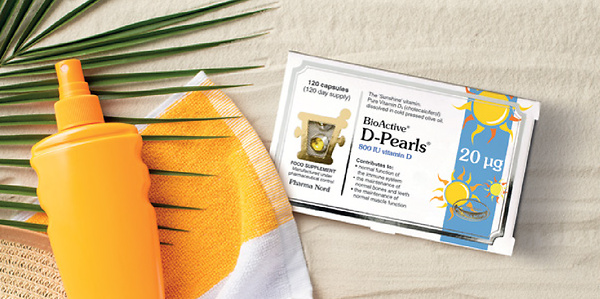
When choosing a vitamin D supplement, it is a good idea to look for a product that has been documented in published studies. D-Pearls from Pharma Nord has been used in several clinical studies, in which it has been shown to effectively increase blood vitamin D levels. Among other groups, it has been studied in athletes, schoolchildren, and adults in studies focusing on muscle function, well-being, and immune function, respectively.
D-Pearls consists of small gelatine capsules containing vitamin D3 dissolved in olive oil, which promotes absorption. The range is available in 5, 20, 38, and 75 micrograms of vitamin D3, making it easy to choose a dose suited to individual needs. There is also a 100% plant-based version with 38 micrograms of vitamin D3, in which the vitamin is derived from algae and the capsule is made from ingredients derived from peas, corn, and potatoes (Phytocaps).
|
|
|
|
|
|
|
|
|
|
|
|